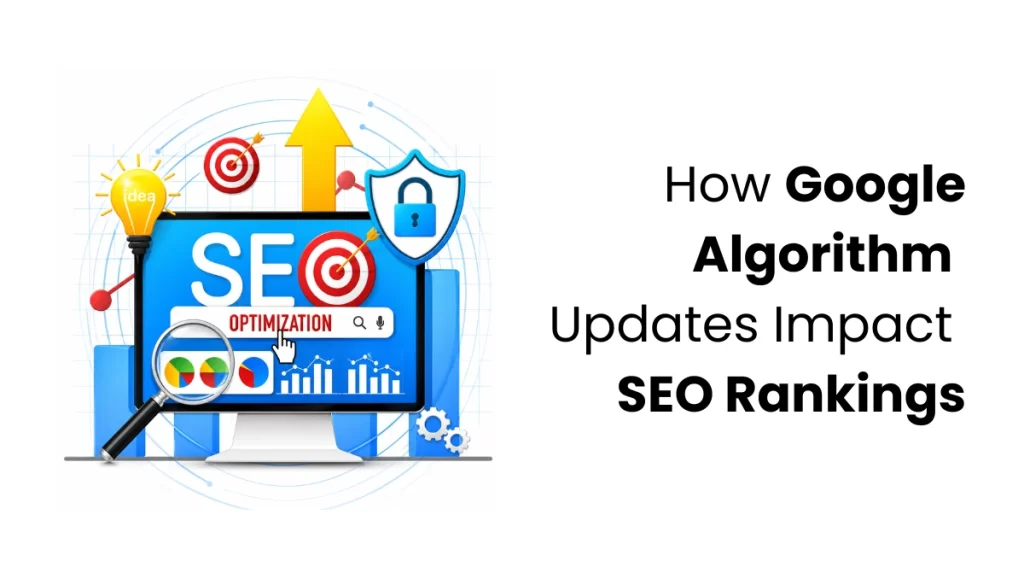
SEO isn’t a ‘set it and forget it’ task. If you saw your website traffic drop recently, it wasn’t a random technical issue. Google recently completed a significant core update that changed how it evaluates the value of a page. But the truth is, most people misunderstand what an update actually does. Google isn’t punishing your site. Instead, its systems have simply found other pages that they now believe are more relevant, more accurate, or better suited for the user. In 2026, the focus has changed from just having content to having the most helpful content.
What Happens When Google Updates Its Algorithm?
Google updates change how websites are ranked by adjusting factors like content quality, relevance, user experience, and trust. When an update happens, some websites gain visibility while others lose rankings based on how well they meet these new criteria.
Why SEO Rankings Drop After Google Updates
If your traffic has suddenly changed, it usually comes down to a few key reasons:
Algorithm Changes: Google has adjusted its grading system to prioritize different signals.
Competitors Improving: Other sites in your niche have updated their content to be more helpful than yours.
Outdated Content: Your information may no longer be the most current or accurate answer available.
What is a Google Algorithm Update?
If you’re new to SEO, think of a Google update like a teacher re-grading a class. At the start of the year, the teacher had one set of rules. Now, they’ve updated the rules to reward students who explain things more clearly or use better sources.
The Algorithm: A complex computer program that decides which website appears first when you search for something.
The Update: A change to that program to make sure users get the best possible answers.
SEO (Search Engine Optimization):The practice of making your website follow these rules so you rank higher.
The New Algorithm Hierarchy (2026 Update)
To maintain your rankings today, you have to understand the specific filters Google uses to sort search results. According to recent search volatility data, many top-ranking positions experienced noticeable changes during the latest update cycle. The April 2026 update recorded high volatility levels across tools like Semrush Sensor, indicating a strong shift toward rewarding content with original insights and first-hand experience.
1. The Information Gain Check
This is a concept that has become a major focus in the SEO community. It essentially asks: “Does your page add anything new to the internet?” If your blog post is just a summary of what everyone else has already said, Google has less reason to rank you. To pass this check, you should include unique data, personal insights, original examples, or a different perspective that other sites are missing.
2. The E-E-A-T Check (Expertise & Trust)
Google wants to know who wrote the content. E-E-A-T stands for Experience, Expertise, Authoritativeness, and Trustworthiness. If Google cannot verify that you are a reliable source with first-hand experience, your rankings may struggle even if your writing is good.
3. The Technical Health Check (INP)
Google now uses a metric called Interaction to Next Paint (INP), which has replaced First Input Delay (FID) as a key Core Web Vitals signal. This measures how fast your site reacts when a user taps a button or clicks a link on their phone. If your site feels laggy or slow, it sends a signal to Google that your page provides a poor experience. Understanding these technical factors is an important part of professional training on digital marketing in Kochi, where learners work with real website performance data.
Strategies to Protect Your Rankings
1. Human-Led Content vs. AI
While Google does not ban AI-generated content, purely automated pages are finding it harder to reach the #1 spot. The most successful approach in 2026 is a hybrid model: use AI for research, but ensure a human adds the unique experience and expertise before publishing.
2. Optimizing for AI Overviews (GEO)
You may have noticed AI summaries appearing at the top of your search results. This is called Generative Engine Optimization (GEO). To show up here, use bullet points for lists and include a ‘Quick Answer’ section at the top of your post.
3. Improve Content Quality and Depth
Thin or repetitive content is more likely to lose rankings after updates. Make sure your content:
- answers the user’s question clearly
- includes updated and accurate information
- provides unique insights instead of repeating common points
4. Strengthen Technical SEO
User experience is an important factor in rankings, so it’s worth paying attention to the technical side of your website. Focus on:
- Improving page speed
- Optimizing for mobile devices
- Reducing delays in interaction (INP)
A fast and smooth website sends positive signals to search engines.
5. Update and Refresh Existing Content
Old content can lose rankings over time. Regularly:
- Update outdated information
- Add new examples or data
- Improve readability and structure
Fresh content performs better after algorithm updates.
6. Build Topic Authority
Instead of covering random topics, focus on a specific niche. Creating multiple high-quality articles around the same subject helps Google recognize your site as an authority.
Turning SEO Knowledge into a Career
Understanding these updates is a high-value skill. As Google becomes more complex, businesses in Kerala are actively seeking professionals who can adapt to these changes. This is why a structured training in digital marketing in Kochi is becoming a popular option for those looking to future-proof their careers.
At Finprov Learning, students work with real-time SEO tools like Ahrefs and Semrush, analyze actual ranking drops, and learn exactly how to recover websites after algorithm updates. By focusing on practical application rather than just theory, our students build the confidence to manage high-stakes digital brands. Mastering the logic behind the algorithm is the only way to build a sustainable career in the digital space.
Final Thoughts
Google’s goal is to keep users on their platform by delivering the most helpful and reliable answers. If your content supports that goal, your chances of ranking improve. Instead of fearing algorithm updates, focus on becoming a trusted source in your niche. Keep your content updated, improve your technical SEO, and continuously adapt to changes.
For those who want to apply these strategies practically, structured training on digital marketing in Kochi can help turn this knowledge into real results by teaching how to recover traffic drops and improve rankings through real-world projects.
FAQs
1. What is a Google algorithm update?
A Google algorithm update is a change to the system that ranks websites in search results. These updates help Google show more relevant, accurate, and useful content to users.
2. Why did my website traffic suddenly drop?
Website traffic can drop due to Google algorithm updates, increased competition, outdated content, or technical SEO issues. Reviewing your content and performance data can help identify the cause.
3. How do Google core updates affect SEO rankings?
Core updates change how Google evaluates content quality, relevance, and user experience. Websites that better match these factors may gain rankings, while others may lose visibility.
4. Does AI-generated content affect SEO rankings?
AI content does not automatically harm rankings, but low-quality or repetitive content may perform poorly. Combining AI with human expertise and real insights improves SEO performance.
5. What should I do after a Google algorithm update?
After an update, review your content, improve accuracy, add new insights, fix technical issues, and compare your pages with top-ranking competitors to identify gaps.
6. How can I improve my SEO rankings after an update?
You can improve rankings by updating outdated content, adding unique insights, improving page speed, optimizing for mobile, and strengthening internal linking.