Introduction
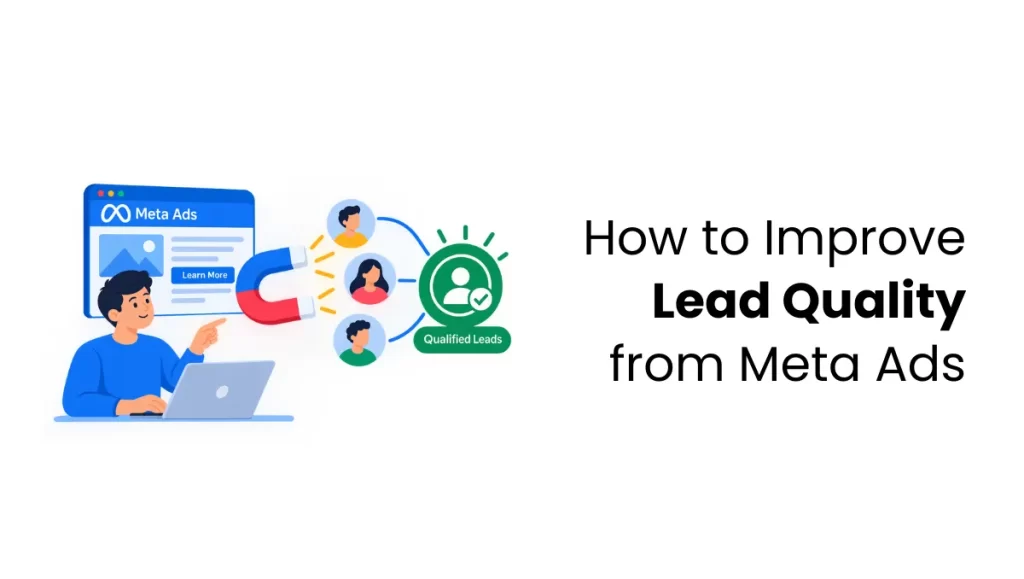
Running Meta Ads can bring in a steady stream of leads, but more leads don’t always mean better results. You may have a campaign that generates enquiries every day, yet many of those leads may not be genuinely interested, ready to buy, or even a good fit for your business. That is where lead quality matters. Instead of focusing only on reducing the cost per lead, businesses need to look at what happens after someone submits a form. The offer, ad creative, lead form, landing page, targeting, tracking, CRM, and follow-up process can all affect lead quality. In this blog, we’ll look at practical ways to improve the quality of leads from Meta Ads and turn more enquiries into meaningful sales opportunities.
What Does Lead Quality Mean in Meta Ads?
Lead quality refers to how useful a lead is for your business, not simply how many people submit a form. A low-cost lead may look good in your Meta Ads report, but it has little value if the person is not interested, cannot be contacted, or is unlikely to become a customer.
A quality lead is usually someone who fits your target audience, shows genuine interest in your offer and is willing to take the next step. This could mean answering a call, booking an appointment, visiting your business, requesting a quotation, making a purchase or enrolling in a course.
So, instead of focusing only on the number of leads generated, look at what happens after the form is submitted. This helps you understand whether your Meta Ads are bringing in real sales opportunities rather than just more enquiries.
Why Meta Lead Quality Matters
Getting a large number of leads from Meta Ads may look like a good result, but the real value lies in how many of those leads can become customers. Focusing on lead quality helps businesses get more value from their advertising budget and sales efforts.
Better lead quality can help your business in several ways:
- Higher conversion rates: People who are genuinely interested in your product or service are more likely to respond to calls, reply to messages, book appointments, request demos, or make a purchase.
- Lower customer acquisition costs: Quality leads usually need less time and effort from your marketing and sales teams. This can help reduce the cost of turning a lead into a customer.
- Higher customer lifetime value: Customers who are a good fit for your business are more likely to return, make repeat purchases, and stay connected with your brand.
- Stronger brand reputation: When customers have a good experience, they are more likely to leave positive reviews, recommend your business, and share their experience with others.
In short, the goal of Meta Ads should not be to generate the cheapest leads possible. It should be to attract leads who have a genuine chance of becoming valuable customers.
Ways to Improve Lead Quality from Meta Ads
Meta Ads can generate leads quickly, but a high lead volume doesn’t always mean high-quality leads. The real goal is to attract people genuinely interested in your offer who have a real chance of becoming customers.
Improving lead quality requires more than changing your audience settings. Your campaign objective, ad copy, lead form, landing page, tracking and follow-up process all play a role. Here are nine practical ways to improve the quality of leads you get from Meta Ads.
Define What a Quality Lead Means
Before starting a campaign, decide what makes a lead valuable to your business. The criteria may depend on factors such as their needs, budget, location, company size, purchase timeline or interest in your service.
Also decide what action you want to take. It could be booking a call, requesting a quotation, scheduling a demo or making a purchase.
Clear criteria make it easier to measure whether your Meta campaign is attracting the right people.
Choose the Right Campaign Objective
The campaign objective you choose can affect the type of leads you receive. Meta provides multiple lead-generation setups, including Instant Forms and website-based lead generation. The setup you choose influences what action Meta’s delivery system is optimized toward.
Use Audience Targeting Wisely
Targeting too narrowly does not always lead to better results. Meta’s delivery system can often benefit from sufficient audience size and flexibility, particularly when using automated delivery and machine-learning-based optimization.
You can test broad audiences, lookalike audiences based on existing customers or qualified leads, and retarget people who have already interacted with your website or content.
Also consider excluding existing customers or audience groups that consistently produce poor-quality leads.
Create Ads That Pre-Qualify Leads
Your ad should clearly state who your offer is for. Instead of trying to attract everyone, use your messaging to reach people who are more likely to need your product or service.
Mention important details such as the type of customer you serve, the problem you solve, pricing range, eligibility or expected commitment when relevant.
This may reduce clicks or enquiries, but it can also help filter out people unlikely to convert.
Optimise Lead Forms for Quality
A simple form can increase submissions, but fewer questions can also mean less information about the person submitting it.
Meta’s Higher Intent Instant Form adds an extra review step before users submit their information. Use it where appropriate, along with relevant qualifying questions such as budget, requirements, location, timeline, or the service they are interested in.
Keep the form easy to complete while collecting enough information to help your sales team assess and prioritise leads.
Match Your Landing Page with Your Ad
If you send people from Meta Ads to your website, make sure the landing page delivers what the ad promised.
The headline, offer, and key message should match the ad. The page should also have one clear action, such as filling out a form, booking a call or requesting more information.
Add useful trust signals such as customer reviews, case studies, certifications or relevant business information. A fast, mobile-friendly page can also make the experience smoother.
Track What Happens After the Lead
A form submission is only the beginning of the customer journey. To understand lead quality, you need to know what happens after someone submits their details.
Connect your Meta campaigns with your CRM or other tracking systems wherever possible. This helps you follow each lead from the initial ad interaction to the final conversion, giving you a clearer view of lead quality, campaign performance, and actual business outcomes.
Keep Testing Your Ads and Offers
Lead quality can change as your audience, market and competitors change. That is why testing should be an ongoing part of your Meta Ads strategy.
Test different headlines, messages, images, videos, offers and calls to action. You can also test different landing pages or lead form questions.
Over time, these tests can show which combinations attract people who are more likely to move further along the sales journey.
Look Beyond Cost Per Lead
Cost per lead is useful, but it should not be the only metric you track. A campaign with a low cost per lead may perform poorly if most of those leads never respond or become customers.
Instead, also look at metrics such as cost per qualified lead, cost per sales opportunity and lead-to-customer conversion rate.
These metrics give you a clearer picture of whether your Meta Ads are contributing to actual business results.
Ultimately, improving lead quality is about looking beyond the number of leads generated. When your ads, targeting, forms, landing pages, tracking and sales process work together, you can focus your budget on leads that have a genuine potential to become customers.
Conclusion
Improving lead quality from Meta Ads is not just about changing your audience or lowering your cost per lead. It requires looking at the complete journey, from the ad a person sees to what happens after they submit their details.
Start with a clear offer, use relevant qualification questions, create a landing page that matches the ad, and track what happens after the lead enters your sales process. Most importantly, measure qualified leads, appointments and customers instead of focusing only on lead volume or CPL.
When these steps work together, Meta Ads can become a more effective source of meaningful business opportunities.
If you want a stronger understanding of Meta Ads, targeting, lead generation, and other areas of online marketing, enrolling in a digital marketing course in Kochi can help you build practical skills and understand how these strategies work together.
FAQs
Why are my Meta Ads generating low-quality leads?
Low-quality leads can result from broad targeting, unclear offers, easy-to-complete forms, weak ad messaging or a mismatch between the ad and landing page. Poor follow-up can also affect the final conversion rate.
Should I focus on lead quality or lead quantity?
Lead quality should be the priority. Fewer relevant leads can be more valuable than a large number of people unlikely to become customers.
How can I qualify leads through Meta Ads?
You can add relevant questions to your lead form about factors such as budget, location, requirements, timeline or the service they need. These questions can help your sales team identify more relevant leads.
Is cost per lead a good measure of Meta Ads performance?
Cost per lead is useful, but it should not be your only metric. Also track qualified leads, sales opportunities, appointments and conversions to understand the actual value of your campaign.
How does CRM tracking help improve Meta lead quality?
CRM tracking shows what happens after a lead submits a form. By identifying which leads become qualified opportunities or customers, businesses can make better campaign and targeting decisions.