Introduction
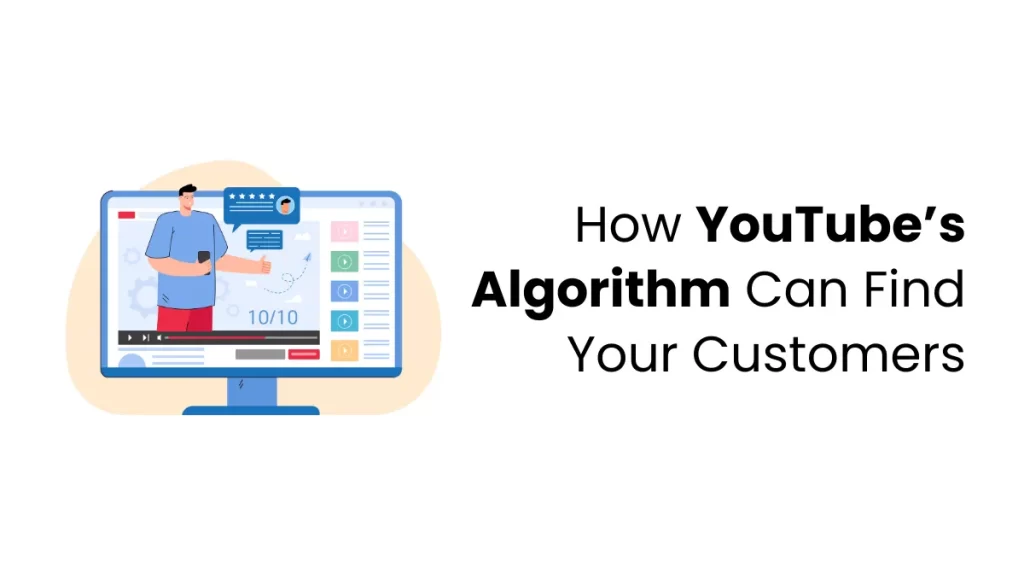
Getting your content in front of the right people doesn’t always mean spending money on ads. With the right content strategy, YouTube can help your business reach people who are already interested in what you offer.
YouTube’s recommendation system pays attention to what people watch, how they respond to videos, and what keeps them watching. This helps businesses reach people more likely to be interested in their content through useful, consistent videos.
In this blog, we’ll cover how YouTube’s algorithm works, what content can attract the right viewers, and how to turn those viewers into potential customers without relying on paid advertising.
Why Most Businesses Get YouTube Strategy Wrong
Many businesses use YouTube to upload videos about their products or services. They may post regularly, but without a clear idea of who they are trying to reach or what those viewers actually want to watch. This is where many YouTube strategies go off track.
A common mistake businesses make is creating videos only for people who are ready to buy. But most viewers are not at that stage yet. They may be comparing products, searching for an answer, learning something new, or trying to solve a problem.
This is where YouTube’s algorithm comes in. It pays attention to what people watch and how they interact. From that, it gets an idea of the type of content they like and can suggest similar videos.
So, you don’t have to make every video about your product or service. Instead, think about what your audience would actually want to watch. You could share useful tips, how-to videos, product comparisons, reviews, buying guides, or answers to common questions.
For instance, if you sell products online, you could make a video on how to choose the right product, compare two popular options, or avoid common buying mistakes. Someone searching for this kind of information might come across your video even if they have never heard of your business.
If they like what they see, they may watch another video from your channel and then another. Over time, YouTube can start showing your videos to more people with similar interests. Your videos can also show up in YouTube and Google searches, helping new people find your business.
The simple idea is to help people first and sell second. When your videos answer real questions and give viewers something useful, YouTube has more information to work with and can find people who are likely to be interested in your content.
Steps to Build a YouTube Strategy That Finds the Right Audience
YouTube can help businesses reach the right people when the content matches what viewers are looking for. But creating videos without knowing your audience or what they want to watch may not bring the results you expect. A clear strategy helps you choose better topics, create useful videos, and reach people genuinely interested in what you offer.
1. Know Who You’re Creating For
Before making a video, think about the person who is most likely to find it useful. Instead of focusing only on age, location, or job, think about their interests, problems, goals, and what they are trying to learn.
For example, if you run a fitness business, your audience may not simply be “people aged 20 to 40.” They could be people who want to lose weight, get stronger, improve their diet, or find simple workouts they can follow at home.
Understanding these needs helps you choose topics people are already interested in watching.
2. Create Videos That Help, Not Just Sell
Not every YouTube video needs to promote your product or service. In fact, useful content can often be a better way to introduce your brand to new viewers.
Think about the questions your audience asks and the problems they face. You can create how-to videos, tips, reviews, comparisons, tutorials, buying guides, or videos that explain something clearly.
For example, a business that sells laptops could create videos about choosing a laptop for students, comparing different models, or explaining what specifications to look for. Someone searching for this information may find the video even if they have never heard of the business.
3. Give Viewers a Reason to Click
Getting someone to click on your video is only the first step. Your title and thumbnail should tell viewers what the video is about while giving them a reason to find out more.
A title such as “5 Common Mistakes to Avoid When Buying a Laptop” creates a clear reason to click because it addresses a problem the viewer may already have.
Once they click, the opening few seconds matter. Get to the point quickly and show viewers that the video will deliver what the title and thumbnail promised.
4. Build Trust Through Useful Content
A viewer may not become a customer after watching one video, and that is completely normal. YouTube can help you build that relationship over time.
When people find your videos useful, they may return to your channel, watch more of your content, and gradually become familiar with your brand. This creates a natural path from knowing your brand to trusting it.
For example, a financial education channel can share simple videos about budgeting, saving, investing basics, and common money mistakes. If people find the videos useful, they may come back to the channel for more. Over time, they become familiar with the brand and may think of it when they need financial services.
The goal is not to sell something in every video. It is to give people a reason to keep coming back.
5. Find What Already Works
You don’t always have to start from scratch. Look at the videos that are already performing well in your industry or niche.
Pay attention to the topics, titles, thumbnails, video length, format, and style they use. Look through the comments too. They can tell you what viewers liked, what questions they still have, and what information they want to see next.
For example, if your beginner digital marketing videos get good views and comments, look at what other related topics your viewers might want. You could talk about common mistakes, useful tools, or simple steps to get started.
AI tools can also help you with this research. They can help you go through comments, find questions that keep coming up, and see what your viewers are actually interested in. You don’t have to copy what other creators are doing. Use what you learn to understand your audience better and come up with video ideas that are useful to them.
6. Choose a Format That Fits Your Audience
The video format is also important. Some people watch short videos that get straight to the point, while others prefer longer videos with more details. So, choose a format that your audience likes and that makes it easier for you to explain the topic.
You can experiment with different formats, such as:
- How-to and tutorial videos
- List-based videos
- Product reviews and comparisons
- Interviews and conversations
- Step-by-step guides
- Case studies
- YouTube Shorts
- Live streams
List-based videos are often easy to follow because viewers know the progression. Storytelling can work well when you want to keep people interested in a topic from beginning to end.
Shorts can also help introduce your content to new viewers, while longer videos can give you more time to explain a topic in detail.
7. Use YouTube Analytics to Improve Your Videos
You don’t have to get everything right with your first video. YouTube Analytics can show you what is working and where viewers are losing interest.
Look at metrics such as watch time, audience retention, traffic sources, and engagement. If many people leave within the first few seconds, you may need to improve your opening. If viewers stay until a particular section and then leave, that part of the video may need to be shorter or more engaging.
Treat each video as a learning opportunity. Use what you find in your analytics to improve the next one.
8. Keep Your Content Consistent
You don’t need to upload a video every day to build a YouTube channel. What matters is having a realistic schedule that you can maintain.
Posting useful content regularly gives your audience more opportunities to find you and gives YouTube more content to understand and recommend.
You can also organise related videos into playlists so viewers can easily continue watching. For example, a marketing channel could have separate playlists for SEO, social media, Google Ads, and content marketing.
9. Talk to Your Audience
YouTube is more than just posting videos and waiting for people to watch them. Pay attention to what your viewers say and ask.
Check the comments, reply to questions, and look for topics that come up often. These conversations can help you understand what your audience wants to know and spark ideas for your next video.
Over time, your viewers can become one of your best sources for new contents.
The Key Is to Help First
The main idea behind a successful YouTube strategy is simple: think about the viewer before thinking about the sale.
When your videos answer real questions or help people solve a problem, YouTube gets a better idea of who might find them useful. As you keep creating and learning from your viewers, you can make your content more relevant and reach more people who are interested in the same topics.
You don’t need to create content for everyone. Focus on the people who are most likely to find your videos helpful. Over time, this can help YouTube bring new viewers to your channel and turn some of them into potential customers.
Conclusion
Learning how YouTube works, understanding your audience, creating the right content, and using analytics can help you make better marketing decisions and find your customers. These are also important skills to build a career in digital marketing.
If you want to learn more about YouTube marketing, SEO, social media, Google Ads, and other areas of digital marketing, joining a digital marketing course in Kochi can help you build practical skills and understand how these strategies are used in real business situations.
FAQs
1. How does YouTube’s algorithm help businesses reach customers?
YouTube looks at what people watch, search for, and engage with to understand their interests. It then recommends videos based on those interests. When businesses create useful videos around topics their audience cares about, they can reach new viewers without relying only on paid ads.
2. Do I need to spend money on ads to grow on YouTube?
Not necessarily. You can grow your channel through organic content without running ads. Sharing useful videos regularly and covering topics your audience cares about can help people find your content through YouTube recommendations and search.
3. What type of videos should businesses create on YouTube?
Businesses can create different types of videos based on what their audience wants to watch. Useful options include how-to videos, tutorials, product reviews, comparisons, tips, buying guides, and answers to common questions.
4. How can I find out what my YouTube audience wants to watch?
Start by checking your comments, YouTube Analytics, and the topics your viewers are already watching. You can also look at similar channels to find common questions and topics that people are interested in.
5. How often should a business post videos on YouTube?
No fixed number works for every business. Choose a posting schedule you can maintain consistently while keeping the content useful and relevant to your audience.