Introduction
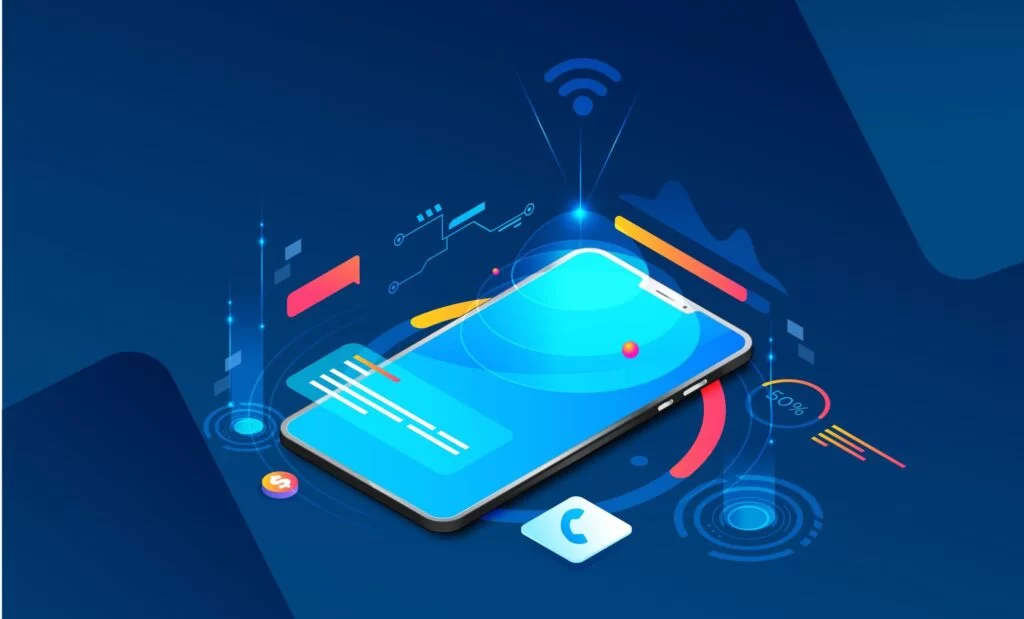
The way people manage money has changed a lot in recent years. You can now pay bills, send money, track expenses, invest, and even manage a small business from a smartphone. You no longer need to visit a bank or maintain a notebook to handle every financial task.
Much of this change comes from the growth of fintech, which brings finance and technology together to make everyday financial tasks more convenient. Different fintech apps serve different needs. Some focus on digital payments, while others help users manage credit cards, invest, maintain business accounts, or access financial services through local retailers.
With so many options available, knowing the major platforms can help you understand how India’s fintech ecosystem is evolving.
Here are seven fintech apps worth knowing in India.
1. PhonePe – Digital Payments
PhonePe is one of the most widely recognised names in India’s digital payments space. This platform allows users to make payments, transfer money, recharge mobile phones, pay utility bills, and scan QR codes at shops.
Its UPI-based payment system has made sending and receiving money much easier. Instead of entering bank details for every transaction, users can make payments quickly from their bank accounts using UPI.
PhonePe is not limited to person-to-person payments. Users can also use the platform for online shopping, bill payments, insurance, investments, and several other financial services.
For businesses, digital payments have also become an important part of everyday operations. Small shops and large retailers can accept payments through QR codes, reducing their dependence on cash transactions.
One of the main reasons people use PhonePe is that it brings several financial services together in one app. You can send money, pay bills, recharge your phone, make payments at stores, and even explore different financial products without having to use multiple apps.
2. Google Pay – UPI Payments
Google Pay is another familiar name in India’s digital payments ecosystem. This app allows people to send and receive money through UPI, pay bills, recharge mobile phones, and make payments at participating businesses.
Google Pay is easier to use because you can make everyday payments from your phone. Link your bank account, then send money using the receiver’s UPI ID or by scanning a QR Code. Whether you’re paying at a local shop, sending money to a friend, or splitting a bill, you can get it done in just a few taps. Google Pay is also useful for people who regularly need to transfer money between bank accounts or make recurring payments.
One of the biggest changes UPI brought is that digital payments are no longer limited to large businesses or people who use traditional banking services frequently. Small retailers, local service providers, and individual sellers can also accept digital payments with minimal infrastructure.
Apps such as Google Pay have helped make this shift more common by bringing UPI payments directly to smartphones.
The platform is therefore an important example of how fintech is making everyday financial transactions more convenient.
3. CRED – Credit Cards and Rewards
CRED takes a different fintech approach by focusing primarily on credit card users. The platform lets eligible users manage and pay their credit card bills while also offering rewards and other benefits.
Having more than one credit card can make it hard to remember all the bills and payment dates. CRED helps by keeping your credit card details in one place, so you can easily check your bills, see your transactions, and remember when your payments are due.
CRED became particularly well known for rewarding users for making timely credit card payments. Its marketing campaigns also helped the brand build a strong identity in India’s fintech market.
Over time, CRED has expanded beyond basic credit card bill payments. Its ecosystem now includes various payment, shopping, travel, and financial services.
4. Groww – Investing
Investing was once viewed as something mainly handled through financial advisors, brokers, or complicated investment platforms. Fintech companies have changed that by making investment products more accessible through mobile applications.
Groww is a prominent platform in this space. It allows users to explore and invest in products such as mutual funds, stocks, exchange-traded funds, IPOs, and other market-linked products.
One of the platform’s major attractions is its relatively simple interface. New investors can use the platform to explore different products and learn more about the investment options available to them.
Groww’s growth demonstrates how fintech is changing the investment experience by bringing a wider range of financial products to smartphones.
5. Vyapar – Business Accounting
Fintech is not only about consumer payments and investments. Technology is also changing how small businesses manage their finances.
Vyapar is a business management and accounting platform designed mainly for small businesses, retailers, and entrepreneurs. It provides tools for invoicing, expense tracking, inventory management, payment management, and accounting.
Running a small business involves more than tracking sales. Business owners also have to create invoices, record expenses, manage stock, follow up on pending payments, and keep their financial records up to date. Doing all of this manually takes time and makes it harder to spot errors.
Vyapar helps bring many of these activities into a digital system. Business owners can create invoices, keep track of transactions, monitor income and expenses, and manage other routine accounting activities through the platform.
GST-related features are another useful aspect for Indian businesses that need to manage tax processes.
Platforms such as Vyapar are particularly relevant to India’s large small business sector. They show how fintech and business technology can help smaller enterprises adopt digital financial management without relying entirely on complex accounting systems.
6. Khatabook – Digital Ledger
Traditional credit ledgers are still common among many small shops and local businesses. A shopkeeper may sell products to a customer on credit and record the amount in a physical notebook. The customer may then pay later.
While this method can work, maintaining paper records becomes difficult as the number of customers and transactions increases.
Khatabook brings this traditional process into the digital environment. The platform helps merchants keep digital records of credit transactions and track money customers owe.
Instead of searching through pages of a physical ledger, business owners can use a digital system to check outstanding amounts and transaction histories.
Digital reminders can also help businesses follow up with customers when payments are due.
This can make a difference for small businesses where cash flow and timely collections are important.
The popularity of digital ledger applications highlights an important point about fintech in India. Financial technology does not always have to involve complicated investment products or banking solutions. Sometimes, a simple digital tool that solves an everyday business problem can have a significant impact.
For small retailers and businesses that regularly manage credit transactions, Khatabook shows how to digitise traditional financial practices.
7. PayNearby – Financial Services for Retailers
PayNearby focuses on a different part of India’s fintech ecosystem. Instead of primarily targeting consumers, its model works through local retailers and businesses to provide access to various digital financial services.
The platform enables retailers to offer services such as digital payments, money transfers, bill payments, insurance, and other financial services.
This retailer-based approach is particularly relevant in areas where customers may not have easy access to traditional banking branches or financial service providers.
A local shop can become more than a place to buy everyday products. With digital financial platforms, it can also serve as a point where people can access certain financial services.
This type of model supports the broader idea of financial inclusion. Technology can extend financial services to people and communities that might otherwise find them hard to access.
PayNearby therefore remains relevant when discussing India’s fintech ecosystem, particularly from the perspective of last-mile financial services and assisted digital access.
How Fintech Apps Are Changing Financial Services in India?
The growth of these platforms reflects a much larger transformation in India’s financial sector.
Earlier, many financial activities required paperwork, physical visits, and direct interaction with banks or financial institutions. Today, smartphones have brought many of these services directly to users.
Moreover, with the rise of UPI, digital payments have become part of everyday life, allowing people to send and receive money in seconds. Investment apps have also made it easier for people to explore stocks, mutual funds, and other investment options. At the same time, accounting and finance apps are helping small businesses move away from paper records and manage their finances digitally.
Fintech has also made financial services more personalised. Different platforms focus on different needs, whether that is making a payment, managing credit cards, investing money, or tracking business transactions.
However, users should be cautious when choosing financial apps. Not every fintech app is legitimate or suitable for everyone. Always review the services delivered, understand applicable charges, terms and conditions, and make sure the platform is properly regulated.
What Is the Future of Fintech in India?
The fintech sector is likely to continue evolving as technology becomes more deeply connected with financial services.
Artificial intelligence, automation, data analytics, digital lending, embedded finance, and personalised financial services are already influencing the industry. Businesses are also increasingly using technology to analyse transactions, identify patterns, automate routine processes, and improve customer experiences.
For customers, this is a more convenient way to manage money and access financial products. For businesses, fintech can help reduce manual work and improve financial visibility.
However, fintech growth also makes responsible digital financial behaviour increasingly important. Users need to understand how their financial data is used, protect their account information, and make informed decisions before using financial products.
Conclusion
Fintech has changed the way people and businesses interact with financial services in India. From sending money through UPI to investing through a mobile app or maintaining a digital business ledger, many financial activities can now be completed with just a smartphone.
Apps such as PhonePe, Google Pay, CRED, Groww, Vyapar, Khatabook, and PayNearby represent different areas of this growing ecosystem.
Some focus on payments, some on investments, while others address credit management, accounting, or last-mile financial services. Together, they show how technology is making financial services more accessible and convenient.
FAQs
1. What is a fintech app?
A fintech app uses technology to make financial tasks easier. You can utilise these apps to send or receive money, pay bills, invest, track expenses, manage credit cards, or handle your business finances.
2. Why are fintech apps becoming popular in India?
Fintech apps make managing money much easier. Whether you want to send money, pay a bill, invest, or keep track of your expenses, you can do it from your phone. You don’t have to visit a bank or spend time dealing with paperwork for every small financial task.
3. Which fintech app is best for digital payments?
PhonePe and Google Pay are among the popular options for digital payments in India. Both support UPI payments and can be used to send money, pay bills, and make payments at shops.
4. Which fintech app is useful for investing?
Groww is a popular investment platform that allows users to explore options such as stocks, mutual funds, ETFs, and IPOs. However, it is important to understand the risks and research an investment before putting your money into it.
5. Is CRED useful for managing credit cards?
CRED can be useful for people who use credit cards regularly. It brings credit card-related information together and lets users manage bill payments and view transactions in one place.