Accounting and analytics work together to make business management more effective. Accounting is not just about financial data; it provides useful information that helps businesses make better decisions. By using accounting software, it is easier to sort, analyze, and learn about the data. Data analytics in accounting helps businesses to learn about different parts of business, improve efficiency, stay competitive, and increase profits.
Using advanced is important as it provides more information when compared with basic reports. It includes analytics tools that provide deeper insights into the financial performance of a company. In this blog, we will dive into the importance of data analytics in accounting.
What is Data Analytics in Accounting?
Using data analytics in accounting is important for understanding and presenting the financial performance of a company. It can help to increase profits, reduce costs, and grow revenue. Organizations use data analytics to analyze structured and unstructured data, which can help them identify customer patterns and preferences. This helps the company to identify and take advantage of new trends and opportunities. With data analytics, they can monitor stock prices and trends to decide the right time for buying and selling. Also, the buying and selling process could be automated to improve efficiency. Including data analytics in the accounting process can be a game-changer and provides many benefits when compared with traditional bookkeeping practices.
Importance of data analytics in accounting
Now, let’s explore some of the importance of data analytics:

Unveiling Patterns and Trends
Accounting is like telling a story of money using numbers, and these numbers are more than just dull figures; they have a significant meaning. Using data analytics in accounting, we can convert these numbers into insights. Accountants can use specific tools for identifying patterns and trends in the financial data. It can help to find where the money was used in the past and predict what might happen, and all of these can help to make informed decisions.
Enhanced Decision-Making through Informed Insights
In earlier periods, accountants mainly focused on the recording of income and expenses. Now, with data analytics, they can do more as these tools can provide quick insights and make informed decisions. These tools can help to reduce the cost, effectively use the resource, and identify problems. So in many ways, the data analytics course can be helpful to make choices that could increase your company’s growth in the long term.
Making Accounting Easier
Using the old accounting methods that rely on manual work can take a lot of time and also lead to mistakes, and data analytics comes to solve these issues by automating many tasks, reducing errors, and improving efficiency. For example, the accountants can easily focus on their important tasks instead of spending a large amount of time checking the financial records. This can help them spend more time focusing on important tasks. This improves the work and ensures that economic data is correct and trustworthy.
Using Money Wisely
For running a successful business, managing finances plays an important role. Data analytics provides valuable insights by revealing where a company spends its money. This can help to reduce the unnecessary costs without affecting business operations. So identifying the high-exense areas can help to make smarter decisions, save money, and increase profits.
Keeping Money Safe
Every business should keep its financial data secure, and the data analytics tools can help to detect anomalies in the financial records. This can help to protect from fraud or errors before they cause any harm to the business. By regularly monitoring and analyzing their financial data, businesses can ensure the safety of their finances and manage the trust of shareholders.
Meeting Rules and Staying in Line
Staying updated with the continuously changing rules for reporting finances is difficult. With data analytics, this job can be made easier it provides real-time tracking and understanding of the changes in the rules. This can help to reduce the risk of non-compliance and penalties related to it.
Knowing What Customers Want
There are many benefits of data analytics that go beyond a company’s financial gains. It provides valuable information about the preferences of customers, and businesses can use this to find what people actually want and show future trends. This helps businesses personalize their products or services to better meet customer needs. This approach can help to build a strong relationship and generate more revenue.
Planning for Success
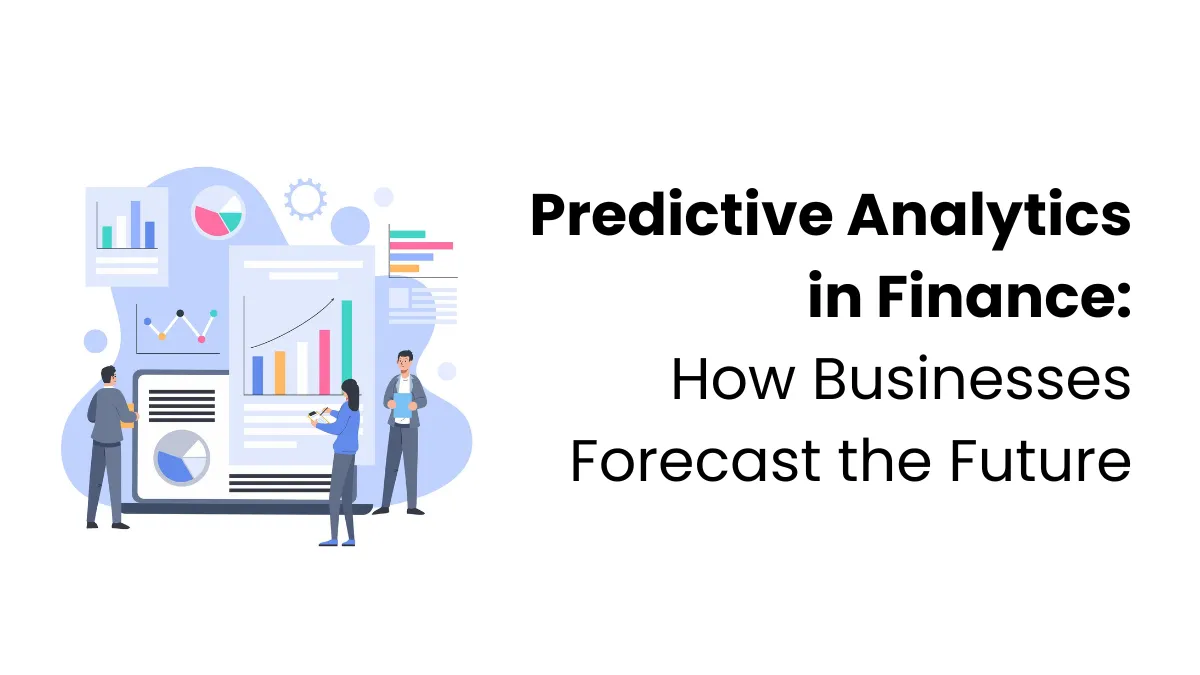
It is important for a business to plan smart to grow. So, for this, data analytics provides the necessary tools for creating robust plans. By analyzing the past data and market trends, companies can make accurate predictions and build achievable goals. This can help us use the resources efficiently, identify the challenges, and get new opportunities, and this process is similar to drawing a map for long-term success.
Checking Money Matters with Confidence
Accurate and clear financial statements are important. Data analytics improves auditing by providing a precise understanding of the economic well-being of a company. With automated trails and intelligent error detections, the auditing can become more efficient, increasing confidence in the reliability and trustworthiness of financial reports.
Conclusion
Data analytics plays an important role in modern accounting. The importance of data analytics in accounting lies in its ability to transform financial data into insights that help make better decisions and achieve long-term growth. It improves efficiency, enhances accuracy, and supports long-term growth. Its importance is undeniable in today’s competitive business environment. To learn more about data analytics, join an accounting training institute to help get more knowledge.
Finprov learning is an ed-tech institute that offers different accounting courses to professionals and graduates in the Trivandrum location. We provide job-oriented courses, such as CBAT, PGBAT, Income Tax, Practical Accounting Training, PGDIFA, DIA, GST, SAP S/4 HANA FI, Tally Prime, and MS Excel. Our crafted modules help the graduates and professionals to get practical training, and we are committed to your success. We also offer placement assistance to bridge the gap between education and rewarding careers. Join Finprov today to open doors to a wide range of accounting opportunities and upskill for a brighter future.
FAQs
Q1. What is the importance of data analytics in accounting?
Data analytics can be used in accounting to obtain valuable insights, identify areas to improve, and mitigate risks.
Q2. What are the benefits of data analytics for accountants?
Accountants can use data analytics for learning about user behaviours, identifying new trends, making informed decisions, making accounting easier, using their money wisely, and meeting their rules.
Q3. What is a real-life example of data analytics used in the accounting field?
One example of data analytics is that banks and auditors track and correct abnormal transactions and other red flags.
Q4. As an accountant, should I learn data analytics?
Yes, accountants should definitely learn data analytics, and it’s becoming a required skill for every professional.