Introduction
Data cleaning is an important part of working with data, but it can take up a lot of time when done manually. Missing values, duplicate records, and inconsistent formats can make data difficult to use for analysis. Fixing these issues one by one can slow work and leave less time to understand the results.
Automating data cleaning makes it easier to handle repeated tasks without spending hours on manual work. The right tools can help you find errors, fix common issues, and get your data ready for analysis. In this guide, we’ll look at how to automate data cleaning, which tools can help, and how to keep your data clean and reliable so you can make better decisions.
What Is AI Data Cleaning?
AI data cleaning uses machine learning and other automated techniques to fix problems in large datasets. It helps identify duplicate records, missing information, unusual values, and differences in data formats. AI tools can also learn from past corrections and use that knowledge to handle similar problems more effectively in the future.
Cleaning data by hand can take hours, especially with large datasets. AI tools make this easier by spotting common errors and fixing them with less manual effort. They can also keep data clean as it moves through different stages of a data pipeline. This is helpful when preparing data for analysis, machine learning, and other business tasks.
AI and traditional data cleaning differ in how they spot errors. Traditional tools follow fixed rules, while AI learns from data and adapts as patterns change.
AI data cleaning offers a few useful benefits:
Finding errors through patterns: AI learns what normal data looks like and flags unusual values, format changes, and records that do not match expected patterns.
Learning from past corrections: When errors are corrected, AI can use that information to handle similar issues better in the future.
Working with large datasets: AI can process large amounts of data more quickly, reducing the need for repeated manual checks.
These benefits make AI data cleaning helpful for teams that regularly work with large datasets. It reduces time spent fixing errors and helps prepare data for analysis and other business tasks.
AI can handle many data-cleaning tasks, but some still need a human touch. People may need to check certain errors to ensure the information is correct. Clear data-management rules are just as important. When teams use AI tools along with manual checks, they can keep their data reliable and feel more confident using it for decisions.
AI Data Cleaning vs Traditional Data Cleaning
Both AI data cleaning and traditional data cleaning help businesses fix errors and prepare data for use. The difference lies in how they do it. Traditional methods depend on rules and manual checks, while AI looks for patterns in the data to identify possible problems. This difference matters when businesses have large amounts of data coming from different sources.
Criteria | Traditional Data Cleaning | AI Data Cleaning |
How it works | Follows set rules and manual steps | Learns from data patterns |
Initial setup | Requires rules to be created | Requires setup and model training |
Handling large datasets | Becomes harder as data grows | Handles large volumes of data |
Finding errors | Checks for known issues | Can spot unusual values and patterns |
Removing duplicates | Matches records using fixed rules | Compares details to find similar records |
Handling changes | Rules need updates when data changes | Can adapt to new patterns with proper training |
Manual work | Often needs regular checks | Can reduce repetitive manual work |
Preparing data | May take longer with complex datasets | Can speed up the process |
Maintenance | Rules need regular updates | Models need monitoring and occasional updates |
Best suited for | Small datasets with consistent formats | Large datasets that change often |
Traditional data cleaning works well when data follows a clear, consistent format. But when businesses add new data sources or work with different formats, existing rules may no longer be enough. Teams then have to update the rules, check for errors, and repeat parts of the cleaning process. This can take a lot of time as data volume grows.
AI saves time by finding duplicate records, missing details, and other data errors. Checking these issues manually can take a long time, especially with large volumes of data. AI can handle many of these tasks, but it may not get everything right. People still need to check and correct some errors. Using AI for routine work and manually reviewing the results when needed can make data cleaning faster and easier.
How AI Improves Data Cleaning in Business
AI data cleaning is more useful when it works with the tools businesses already use to manage their data. Teams can find and fix errors as data moves through different stages instead of treating cleaning as a separate task. This makes it easier to keep data accurate and prepare it for analysis.
Working with Data Warehouses, Lakes, and Lakehouses
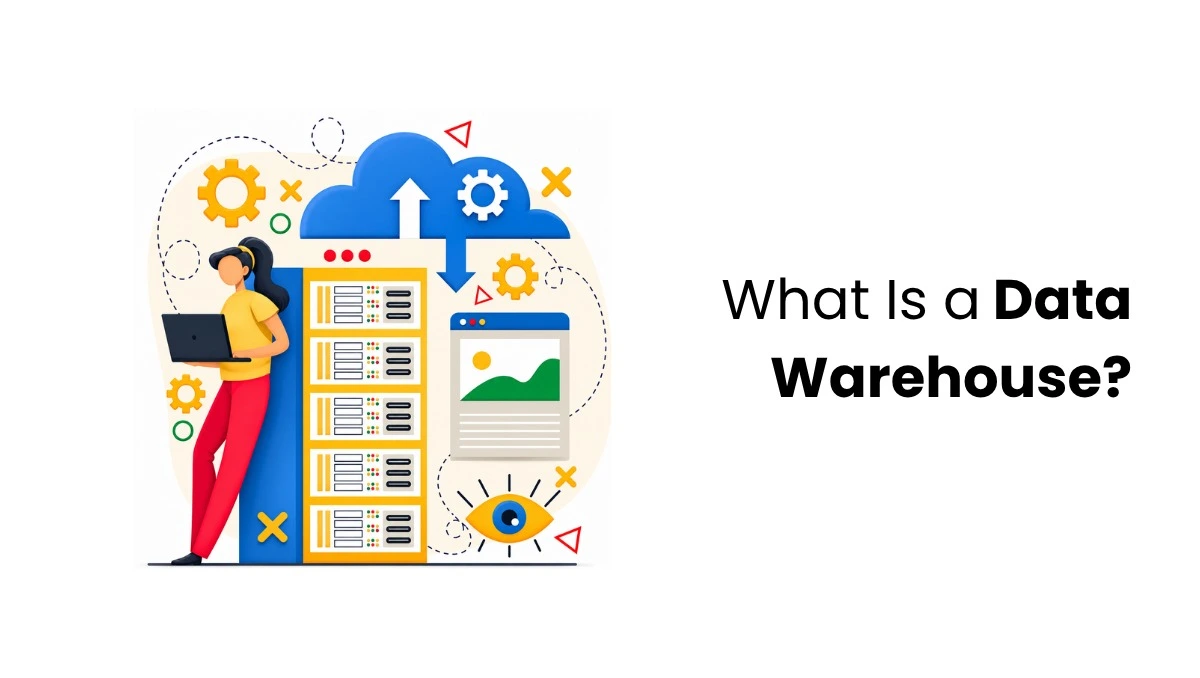
Businesses store data in different systems, including data warehouses, data lakes, and lakehouses. AI tools can help find and fix data issues as information enters these systems or moves between them.
This makes it easier for teams to keep data clean and up to date. They can check new data as it comes in, adjust checks when formats change, and reduce the need to move data between systems for cleaning.
Keeping these checks within existing systems also helps teams maintain data quality without interrupting their regular work.
Improving Data Pipelines and Analytics
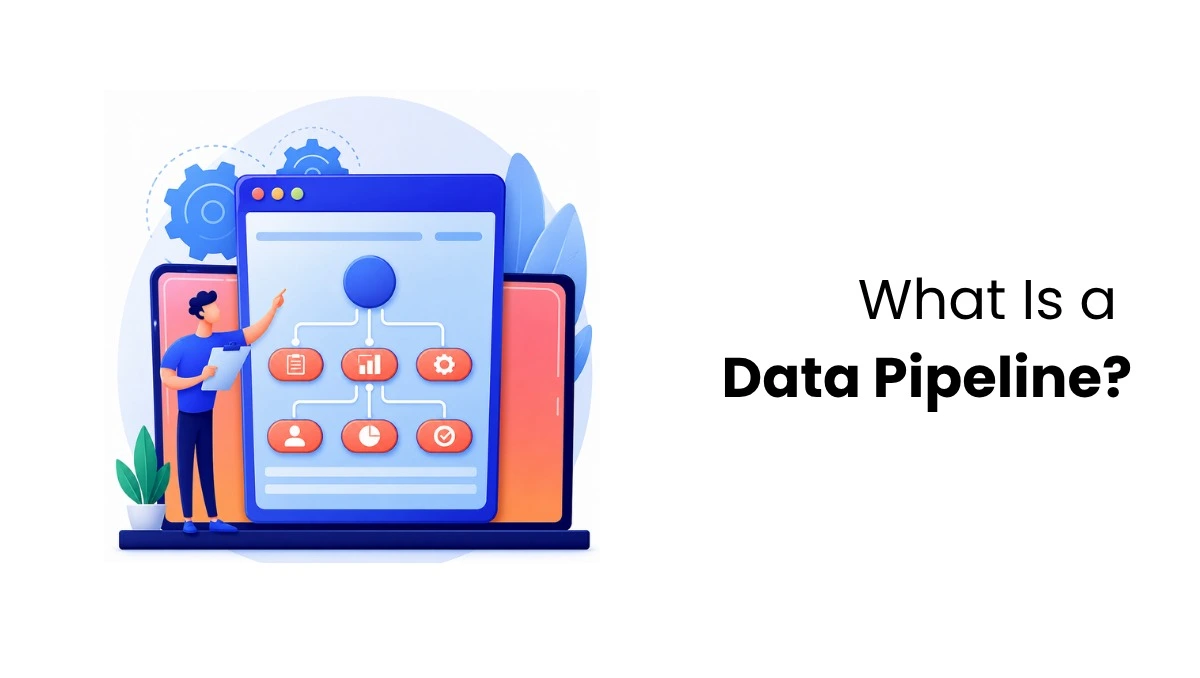
Data pipelines move information from its source to the systems where it is stored and analysed. AI can check data at different stages and flag problems before they affect reports or dashboards.
AI helps businesses find data problems early, so teams spend less time fixing errors later. It also prepares data for analysis and machine learning, making it easier to use.
Reducing Manual Data Preparation
Getting data ready for analysis can take time. Teams often need to fill in missing details, remove duplicate records, and fix differences in data formats. When there is a large amount of data, doing all this by hand can be tiring and time-consuming.
AI can handle many of these repetitive tasks and make the work easier. This gives analysts more time to look at the data and understand what it tells them, rather than spending hours fixing errors. It also helps machine learning teams avoid doing the same preparation work again and again.
As new data comes in, it needs to be checked and cleaned regularly. Automated tools can spot common errors, but some issues still need human review. Using both methods helps businesses keep their data accurate and ready to use.
Features to Look for in AI Data Cleaning Tools
Choosing an AI data cleaning tool is not just about finding one that can fix errors. It should also simplify daily work, handle large amounts of data, and help teams keep information accurate. Here are some useful features to look for when choosing a tool.
Automated Data Checks
AI tools can find common data problems, such as missing information, incorrect entries, and inconsistent date or number formats. Regular data checks help teams catch these issues before they cause problems later.
Finding Duplicate Records
The same customer or product may appear more than once in a dataset, sometimes with slightly different details. For example, a name might be spelt differently in two records. AI tools can compare this information and help find records that may be duplicates.
Finding Errors and Unusual Values
AI tools can spot missing details, incorrect entries, and values that look different from the rest of the data. This helps teams find possible errors before starting their analysis. However, an unusual value isn't always an error, so review it before making changes.
Working with Large Datasets
Cleaning a small dataset is usually easier than handling thousands or millions of records. As data grows, the tool should keep up without slowing down other tasks. It should also work with the systems the business already uses.
Keeping Track of Changes
When a tool changes data automatically, teams should be able to see what was changed and why. Keeping a record of these changes makes it easier to check the results and correct mistakes if something goes wrong.
Conclusion
Clean data makes it easier to analyse information and make better decisions. AI tools can help find errors, remove duplicates, and reduce the time spent on manual checks. However, reviewing the results is still important to keep the data accurate and reliable.
Learning how to work with data is useful for anyone interested in building a career in this field. If you want to develop your skills, a data analytics course in Kochi can help you learn data cleaning, analysis tools, and other essential skills used in real-world projects.
Frequently Asked Questions
1. How is AI data cleaning different from traditional data cleaning?
Traditional data cleaning usually involves checking data manually and fixing errors based on set rules. AI can spot patterns in the data and help find errors that might otherwise go unnoticed.
2. Can AI clean all types of data?
AI can help clean different types of data, including numbers, text, dates, and customer records. The right method depends on the data and the problems that need to be fixed. Some issues still require manual review.
3. Does AI data cleaning remove the need for manual work?
AI can handle repetitive tasks like finding duplicate records and missing details, but it cannot do everything on its own. A person still needs to check the results and confirm that the corrections are right.
4. What problems can AI find when cleaning data?
AI can help find missing details, duplicate records, and data that isn't in the right format. It can also spot values that look unusual and may need to be checked before using the data.
5. Can AI clean large amounts of data?
Yes, AI can help clean large amounts of data much faster than checking each record by hand. This is useful for businesses that gather information from different sources and need to keep it organised.